The Male Divine
The male divine describes the body of male deities and heroes that form our understanding of the masculine narrative. The archetypes’ function in each myth alludes to the perceived, social roles of their gender. In turn, they embody social constructs. Upon analysis, the narratives define performances of masculinity within individual cultures. Here, we see the foundation for our modern day ideology of gender and notice how the archetypes are recycled.
There is a unifying body of archetypes that structure the category of the male divine. Across regions, the characters of deities and heroes commonly align with classes of fathers and sons, kings and judges, saviors and sages, shamans and tricksters, and lords of destruction and the underworld. Often, the classes of characters may overlap making for intersecting roles of the male divine. For an in depth look at this list, please visit the “Categories of the Divine” page here.
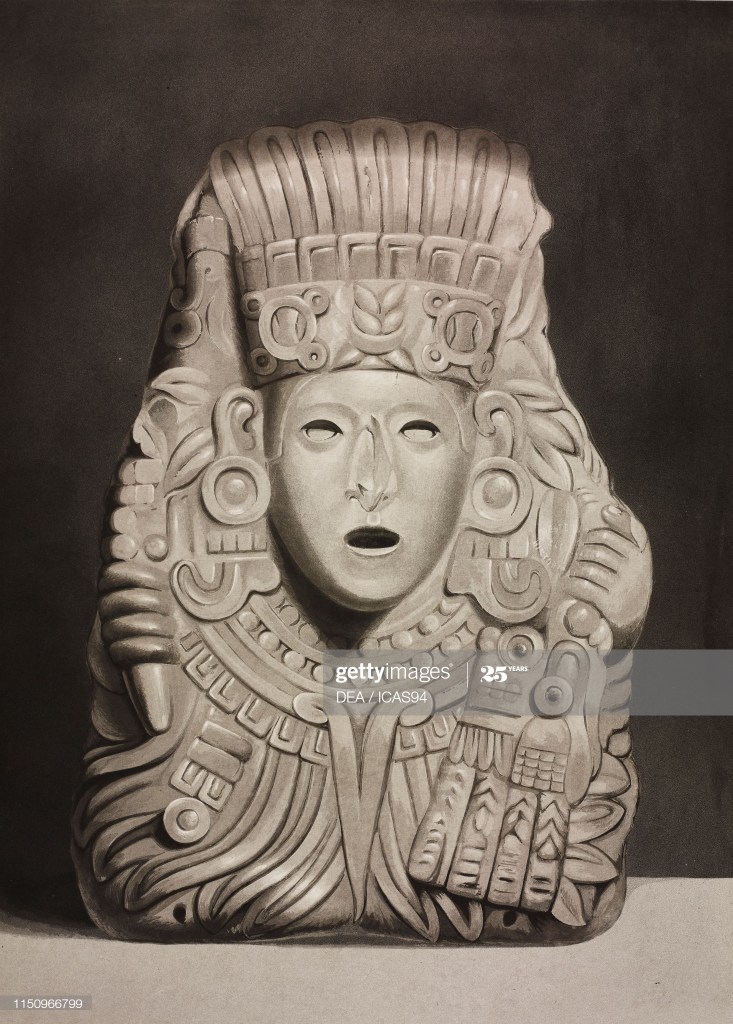
The Aztec myth “Quetzalcoatl Rescues the Precious Bones and Discovers Corn” is an example of one presentation of the male divine. In the myth, the god Quetzalcoatl (also known as the Plumed Serpent in other myths) volunteers to retrieve the sacred materials necessary for the birth of human kind. He faces the lord of the underworld who seeks to keep the ‘precious bones’ and thwart his efforts. With the help of his nahual, or spirit being, Quetzalcoatl transports the bones away from danger. He (among other gods) offers a blood sacrifice, from his reproductive organ, making the recipe for the human species complete. However, the end of his mission is only done when he sacrifices blood, again, to free corn/maize from a sacred mountain in order to sustain humanity. According to James W. Salterio Torres’ “Aztec Mythology: The Influence of Aztec Mythology on Mexican Culture and History” Quetzalcoatl is noted as “the god of life and fertility. He is creator or man, for whom he invented agriculture” (138).
Upon analysis, Quetzalcoatl’s heroism is shaped by both the class of father and savior. As father figure, he brings life into the world with his seed. In this case it is the blood paid or sacrificed by way of his male sex organ. His material activates the birth of humanity. Paternally, Quetzalcoatl is forever connected to humankind. Unlike the archetypes of mothers (the female divine), Quetzalcoatl’s presence and involvement in the lives of the newly formed humans is not required after the fertilizing act. This alludes to the biological process of reproduction during which males are only necessary for the contribution biological matter (Leonard & McClure 189).
Although the ease of which Quetzalcoatl can begin life may seem impersonal, his character complicates matters when he also acts as savior. Quetzalcoatl does not abandon his creation after fertilization, as most gods are familiar for (i.e. Zeus). He remains present to ensure that human life can be sustained. It is only when corn is made available to humanity that his story is finalized. Quetzalcoatl seems to hold himself responsible for the survival of his offspring/creation. Without his actions they would not survive. Thus, humankind would always be indebted to his image.
On a cultural level, Quetzalcoatl may speak to the Aztec attitudes towards male leadership. Quetzalcoatl as hero can suggest that there is value in a male who is courageous, through self-sacrifice, and material support. The ideal male provides for his kin or people and will risk danger, if necessary. Historically, maize is a staple of Meso-America and Aztec agriculture which is no wonder why the crop’s domestication would be associated with a mythological hero.
Consequently, we can draw parallels to cultural ideas of machismo. A strong sense of male pride may stem from the social role of , most, men as providers. Much like Quetzalcoatl, men of South American cultures may feel obligated to provide for the family unit despite the hardships of labor. Physical toil may be regarded as a form of committment as it speaks to one’s ability to endure. This toughness may be conceptualized as a form of power. Therefore, in many South American cultures, fathers require respect and authority.
To find out more about Aztec culture and history please visit this page.
 Mythology and Ideology
didn’t you have some stuff on this page last week and now missing?
prof.love
LikeLike
Yes but I typed content to experiment with wrap around text. It was just gibberish and unrelated pictures.
LikeLike