Creation Myth
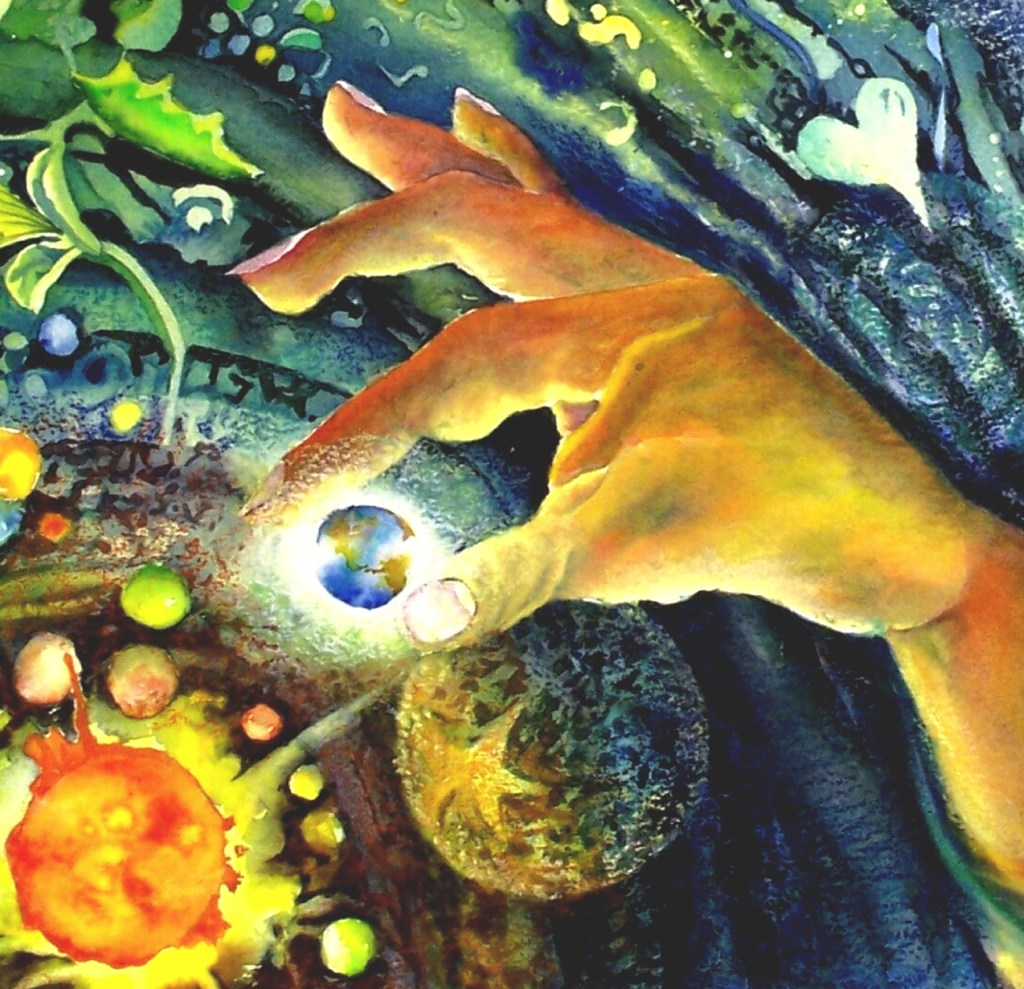
These stories tell of the “birth of order” (Leonard & McClure 32). They describe the functions of the universe, its systems, and all external and internal structures that shape human existence. Often, the narratives begin with preexisting deities that spark the realities of the universe. Categories of creation myth credit our beginnings to an accumulation/meeting of the elements, bodily fluids from divine beings, deity sacrifice, and deities/forces joining to fertilize biological materials.
Leonard and Williams’ Myth and Knowing separates the categories into:
-Accretion or Conjunction stories
-Emission stories
-Sacrifice stories
-Division or Consummation stories
-Earth-Diver
-Two Creators
-Emergence stories
–Deus Faber (Maker God)
The Male Divine
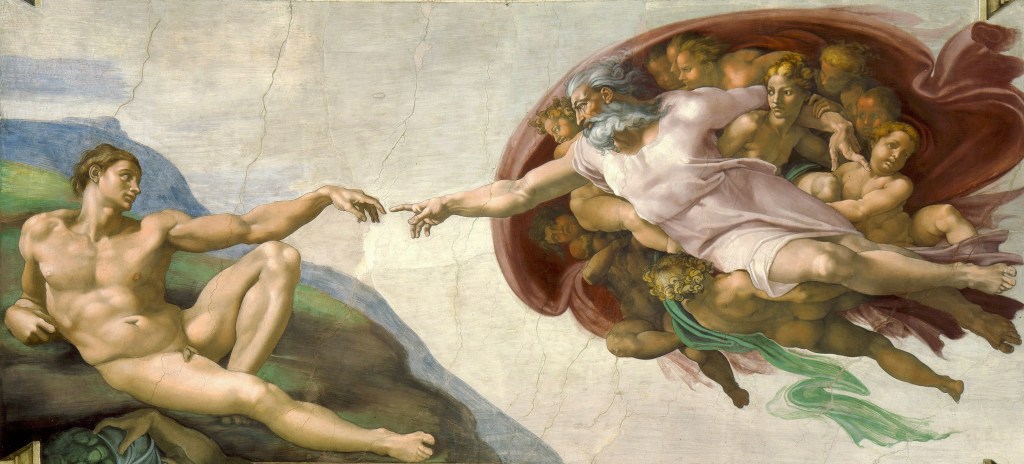
Specifically, these narratives focus on male deities or heroes. Male figures “are usually described…in terms of the various sociopolitical roles they fulfill. For an in depth look at the male divine and its archetypes, continue to the categories of the divine here.
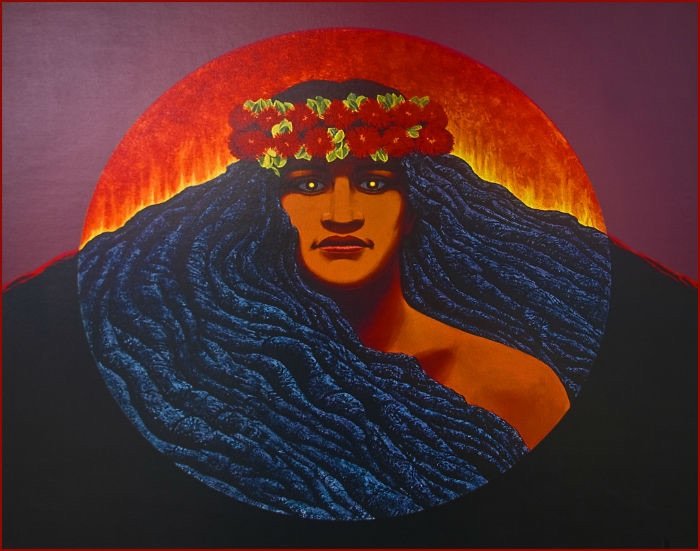
The Female Divine
Collectively, this category explains depictions of feminine deities and goddesses. Scholars theorize that many civilizations may have revered a feminine force as the creator of life (Leonard &McClure 105). However, archetypes of the female divine also portray:
-The Triple Goddess
-Goddess of Life
-Goddess of Death
-Goddess of Regeneration
Trickster Tales
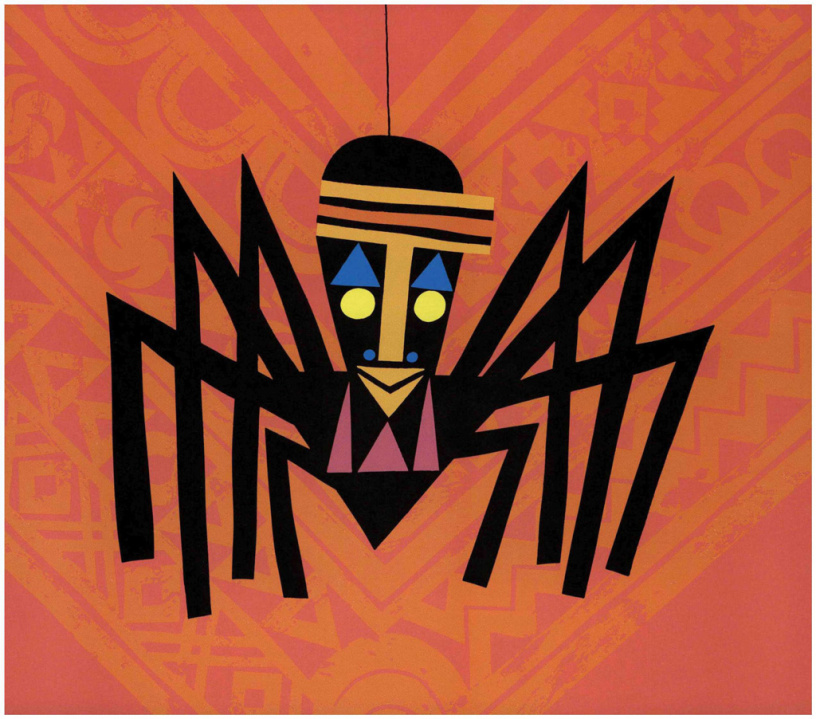
Tales of the trickster focus on the figures founded on paradox and intricacy. Through, their mischief, we see the co-mingling of good and evil that exists in reality. Tricksters may act as “creator, culture-bringer, opportunist, mischief–maker, amorous adventurer, hunger-driven manipulator, credulous victim of others’ tricks, lazy work avoider, transgressor, and clown of the body” (Leonard & McClure 252).
Sacred Spaces
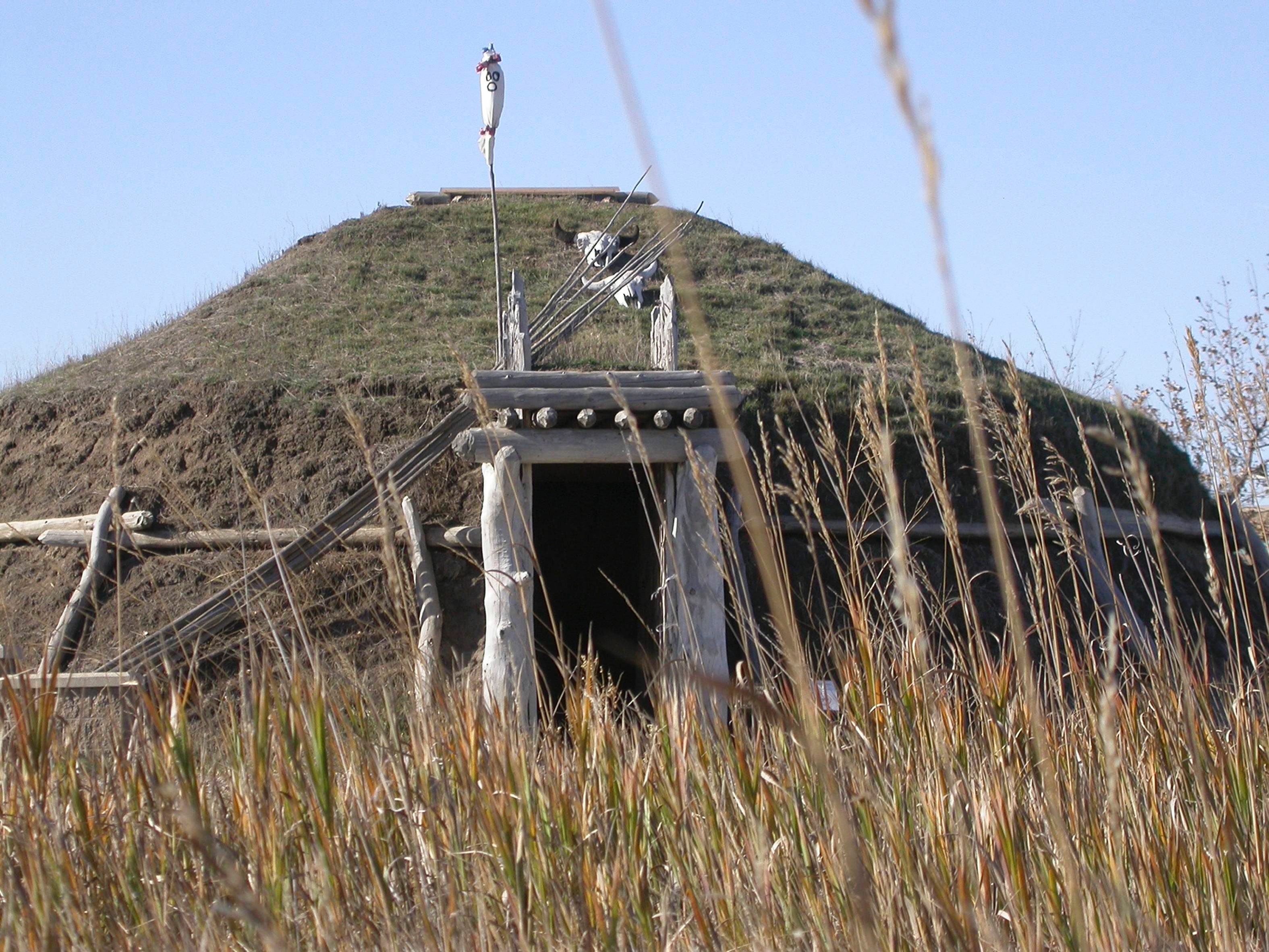
The narrative of sacred spaces tells of the sites (real or imagined) that provide a connection to the ancestral past and/or supernatural. They may also act as places of “longing and fear”(Leonard & McClure 325). Here, the ordinary and extraordinary meet. Specifically, these places transcend the human experience. Humanity engages with the forces of the universe from the past and present.
 Mythology and Ideology