Fantastic Mr. Fox: Trickster Turned Savior

Based off a Roald Dahl book, Fantastic Mr. Fox (2009) is an animated film that follows the life of the charismatic and reckless character Mr. Fox. Once he begins a family, he attempts to put his chicken-thieving ways behind him. Ultimately, his return to mischief results in consequences that threaten his entire community. Like many mythological stories, this fox represents the trickster archetype and the moral ambiguities that live within him.

You can’t get any more mythological than a freeloading, scheming, and stealthy animal. Mr. Fox’s character steals his meals from local farms, benefitting from their owners’ simplemindedness. He somehow possesses a knowledge of the land and properties which he uses to infiltrate farms through their weakest points. He even knows the weaknesses of the guard animals. He operates his strategies in the shadows of the night, after he’s carefully calculated a “master plan” developed in phases. The farmers believe that they’ve created impenetrable, expensive, fortresses but Mr. Fox is able to see the angles they haven’t accounted for. When there are unforeseen obstacles, he uses his stealth athleticism to quickly improvise.

Although, Mr. Fox seems like a freeloader, he always shares his spoils. This is the opposite of the greedy, corporate farmers who’ve encroached on the countryside. Mr. Fox is a provider and father. At first, his thievery provides for both him and his wife until they’re family grows. Other members of the community benefit too when he partners with a neighbor in his heists. However, the situation becomes complicated when and reckless when he involves his adolescent nephew. Mr. Fox utilizes his nephew’s physical agility to accomplish dangerous feats. His irresponsibility becomes even more apparent when the farmers retaliate against him but threaten the entire animal community. Three of the most wealthy farmers destroy the countryside with machinery searching for Mr. Fox. The entire community must flee their homes (or what’s left of them) and seek safety far underground.

Ultimately, via a sense of moral obligation, Mr. Fox acts as savior. He leads a plan to, centered around unity, to defeat the farmers and relocate the innocent. Mr. Fox is able to provide a path to a distant and safe location. He also ensures their survival by locating them above a super market. They are given access to an endless supply of food.

Mr. Fox’s motives are very simple. He’s trying to survive in a world of greed (humans). His methods are questionable and impulsive, yet, he represents the complexity of morality. He’s neither evil nor pure. He uses his talents and wits to take advantage of fellow, not to good, characters. Yet, when innocent lives are in danger, he acts out of altruism. Many of us can see ourselves in Mr. Fox.
Jonas (The Giver): Shaman and Savior

*SPOILER ALERT*

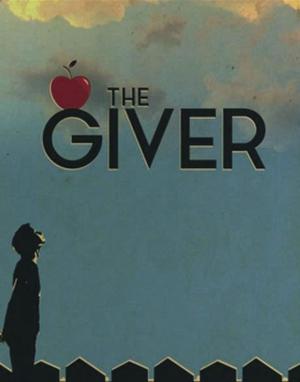
In Lois Lowry’s novel, The Giver, Jonas is a young boy within a, seemingly, utopian community isolated from the outside world. When the community council has determined Jonas as being of appropriate age, he is designated the task of receiving the forbidden knowledge of the world through memories. These memories are burdening and emotionally charged as they reveal all the evils and beauty (past and present) of humanity. However, Jonas sets on a a dangerous path once he begins to question the morality of his community’s institutional practices. Jonas represents both the shaman and savior archetype of the male divine. 

Jonas transcends reality and receives visions from his mentor. All knowledge of the past and present world, existing outside his controlled community, are transferred to him. And with this are the hidden truths of humanity. Jonas is able to access a realm that others are blind to. He receives visions/memories of war, famine, color and love. His training acts as a journey that steers him towards a spiritual awakening. Jonas realizes that his community operates around the concealment of truth from its citizens. This limitation of knowledge results in muted emotions and impacts the quality of the human spirit. 

Driven by his awakening, Jonas seeks to save the marginalized, innocent and ignorant of his community. The institutions of his community conceal their current violations against humanity to preserve their utilitarian society. The council, frequently, euthanizes elderly, twins, and infant citizens. Individuals whom are deemed unsuitable for the function and productivity of society are killed. Below the surface of the pleasant community exists the ugly ideology that people are disposable. Jonas does not remain passive in the face of evil. To the best of his ability, he bestows his forbidden knowledge upon others. He brings them out of darkness and into a new state of consciousness despite the possibility of capital consequences. In addition, he rescues and protects an infant sentenced to termination (euthanasia). The infant had committed no transgressions worthy of death but his behaviors were deemed imperfect. Jonas flees the community with the innocent child, saving his life and entering into a foreign world

John Wick: Lord of Destruction

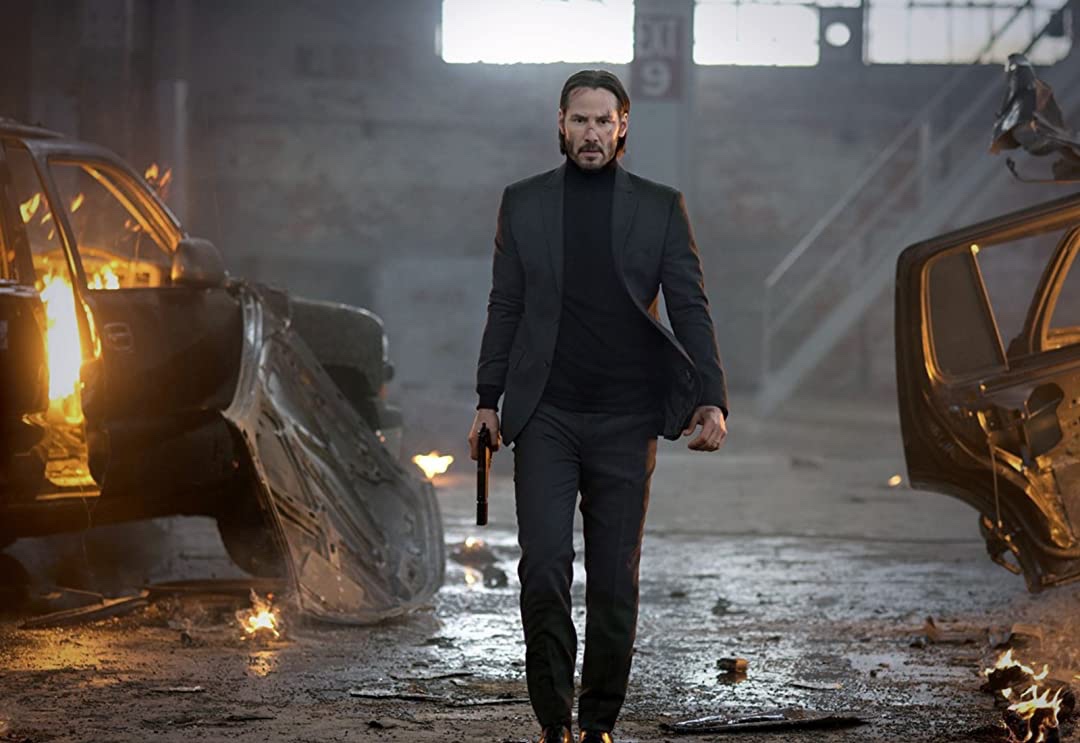
The movie John Wick tells of a former assassin who sets out on a string of killings to avenge the slaying of his dog (given to him by his deceased wife). The dog is significant because it is the last thing gifted to Wick before his wife’s death. Throughout the film, Wick kills his way through the criminal underground in order to track down the son of a Russian mob-boss responsible for the murder of his dog.

It is through his misfortune that the world of John Wick benefits. John Wick’s character represents the archetype of the lord of the underworld/ destruction. Lords of destruction/the underworld are often depicted as forces related to the restoration of the world. They act by way of the miseries of existence (death, misfortune, suffering…). Wick restores the righteousness or morality of the world by eliminating a network of evil: criminals, drug-lords, and violent mob-bosses. Guided by his quest for revenge, He is an enforcer of justice through punishment and death. His compassion for innocence, which in this case is represented by his dog, shows a respect for the good of the world.

In terms of masculine identity, he is characterized as a solitary force, much like any god or deity. His strength far exceeds his enemies yet he is humble. Wick does not kill for pleasure; he kills for necessity. He is calculating, skillful, yet, simple. No amount of materials goods or worldly gains can stand in the way of his mission- a wrath on evil. Wick’s all black attire alludes to his character as bringing a darkness with him: his pain and his enemies end.

John Legend: 2020’s Male Divine & Industry King

He’s perfection, he’s class, and the ‘Sexiest’ male alive this year. As John Legend graces us with his image on the cover of People Magazine, he represents America’s modern archetype of the ideal man and king archetype. He’s obviously been deemed a fine physical specimen of masculinity with the title of “sexiest” but a closer look calls attention to the manner in which he depicts luxury. Kings are often associated with prosperity. This image displays Legend as a man of wealth and fame. Through this he harnesses his power. His domination over the industry (and thereby the average male) has allowed him to achieve celebrity status.

Beyond the physical image, the cover continues to establish this idea of Legend as righteous, much like that of any beloved ruler. A subtitle states that he’s a “good guy [who] got it all.” Not only is he aesthetically pleasing but he’s a virtuous in character. His prosperity is due to his goodwill (however, we’ll have to read the article to find out what ‘good’ behavior constitutes). Although, we can guess that his ethic probably involves righteous, hard work. Whatever attributes he possesses they’re the one’s men should take note of and women should praise because he’s ‘got it all’, according to the magazine. What an honorable, attractive, and industrious man they’ve made him to be.